

If you run an imaging center, a specialty practice, or a hospital referral department, you already know the feeling: a referral comes in, and then it just… disappears. No confirmation. No visit. No revenue. Learning how to reduce referral leakage is one of the fastest ways to protect income you’re already earning, without adding a single new referral source.
Referral leakage isn’t a minor operational hiccup. Industry research puts the average leakage rate for U.S. healthcare organizations somewhere between 40% and 65% of potential in-network referrals — meaning nearly half of the patients sent your way may never actually complete the visit. For imaging centers specifically, every unread fax referral can cost between $400 and $1,200 in lost scan revenue. Multiply that across a busy week, and the losses add up fast.
This guide breaks down what referral leakage really is, why it happens, how to measure it, and — most importantly — the specific steps you can take starting today to plug the gaps.
What Is Referral Leakage (And Why It’s Costing You More Than You Think)

Referral leakage happens when a patient is referred for care — a scan, a specialist consult, a follow-up procedure — but the referral never converts into a completed visit. The patient might go elsewhere, get lost in an administrative backlog, or simply give up after a frustrating scheduling experience.
It’s often invisible until you go looking for it. Referring providers rarely find out what happened to the patients they sent your way, and receiving practices rarely track how many referrals arrived versus how many turned into appointments. That blind spot is exactly why leakage persists — you can’t fix what you can’t see.
Research from multiple healthcare analytics groups estimates that between 25% and 50% of referring physicians never receive confirmation that their patient even saw the specialist they referred them to. That silence damages more than revenue — it damages the referral relationship itself.
The Real Cost of Referral Leakage for Imaging Centers and Specialists
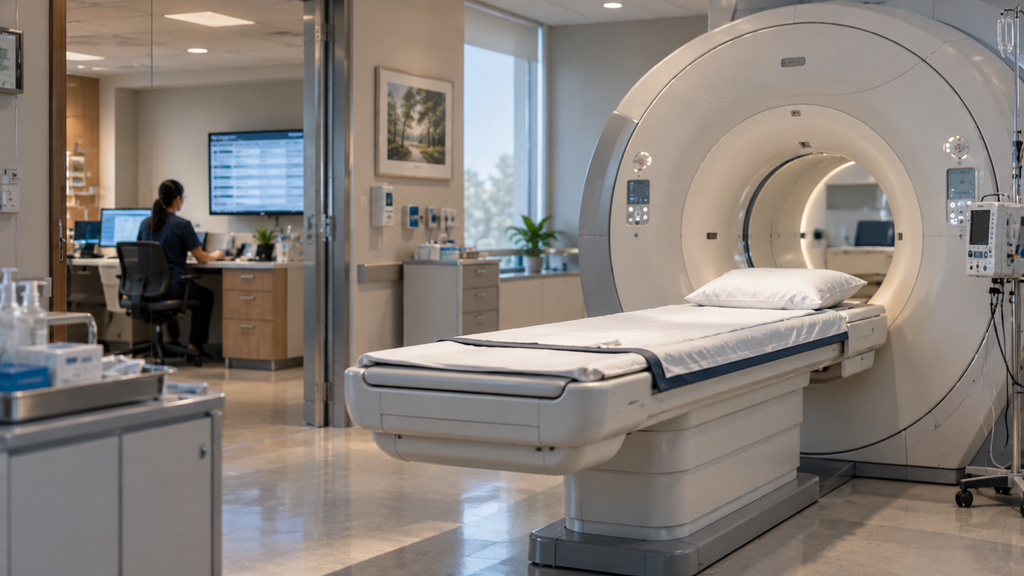
The financial impact of referral leakage compounds quickly across a practice or health system:
- Per-scan losses: Every unread or mishandled fax referral into an imaging center represents roughly $400–$1,200 in lost revenue.
- System-wide losses: Health systems with around 100 affiliated providers lose an estimated $78–$97 million annually to referral leakage.
- Margin pressure: Referral leakage can drain 10–30% of a hospital’s potential revenue, according to industry benchmarking studies — a serious number when average hospital margins already hover around 5%.
- Downstream impact: Roughly a third of specialty referral appointments never result in a documented visit, based on research published in the Journal of General Internal Medicine.
For a mid-sized imaging center or specialty practice, that’s not an abstract statistic. It’s the difference between a fully booked schedule and empty appointment slots that were already “sold” — someone just never picked up the phone to book them.
7 Common Causes of Referral Leakage

Before you can fix leakage, it helps to know exactly where it’s coming from. Most practices lose referrals for a handful of predictable reasons.
1. Unread or Illegible Fax Referrals
Fax remains one of the most common ways referrals arrive in specialty and imaging practices — and it’s also one of the easiest ways for a referral to sit unread in a queue for days. Handwriting, incomplete forms, and missing patient details slow everything down.
2. No Real-Time Referral Tracking

When a referral is submitted and no one owns the status update, it’s easy for it to fall through the cracks. Without a system that flags stalled referrals, staff simply don’t know what needs follow-up until a referring provider calls to ask.
3. Long Hold Times and Missed Calls
Patients today have low tolerance for phone tag. If a scheduling call goes to voicemail and isn’t returned quickly, many patients simply won’t call back — they’ll book somewhere else or skip the appointment entirely.
4. Lack of Structured Follow-Up

A single outreach attempt isn’t enough. Referrals that don’t get a second or third follow-up touchpoint are far more likely to go cold, especially for patients juggling work, childcare, or transportation barriers.
5. Poor Communication Between Referring and Receiving Providers
Referring physicians often report dissatisfaction with how little information comes back to them after a referral. When there’s no feedback loop, referring providers lose confidence and may start sending patients elsewhere.
6. No Patient Self-Scheduling Option
Requiring every patient to call during business hours to book a referral appointment adds unnecessary friction — especially for working patients who would rather book an MRI or specialist visit online at 9 p.m.
7. Fragmented Systems Across Departments
When referral intake, scheduling, and messaging all live in separate systems (or worse, on paper), no one has a single view of the patient’s journey. Fragmentation is where most leakage quietly accumulates.
How to Measure Referral Leakage in Your Practice

You can’t reduce referral leakage without first quantifying it. A simple starting formula:
Referral Leakage Rate = (Referrals Received − Referrals Completed) ÷ Referrals Received × 100
Track this at a few key stages:
- Referral-to-contact rate: How many referrals result in the patient being reached at all?
- Contact-to-scheduled rate: Of those reached, how many actually book an appointment?
- Scheduled-to-completed rate: Of those booked, how many show up and complete the visit?
Breaking leakage into these three stages tells you where the problem lives — intake, scheduling, or no-shows — so you can target the fix instead of guessing.
8 Proven Strategies to Reduce Referral Leakage
1. Digitize and Automate Referral Intake
Manual data entry from faxed referrals is slow and error-prone. Automating intake — extracting patient name, referring provider, and reason for visit directly from incoming documents — removes the biggest early bottleneck.
2. Implement Closed-Loop Referral Tracking
A closed-loop system tracks every referral from the moment it’s received through scheduling, completion, and outcome confirmation, then reports that status back to the referring provider. This single change is consistently cited as one of the most effective ways to cut leakage, because it replaces guesswork with visibility.
3. Offer 24/7 Online Self-Scheduling
Letting patients book their own imaging or specialist appointment — with logic that guides them to the right visit type and time slot — removes the phone-tag problem entirely and captures patients who would otherwise never call during business hours.
4. Use Two-Way Patient Messaging
Secure texting reduces missed calls and gives patients an easy way to confirm, reschedule, or ask questions without needing to hold on the phone. Automated prep instructions also reduce day-of cancellations.
5. Build Referral Analytics Dashboards
You need visibility into where referrals stall — at intake, at first contact, or at scheduling — so staff can intervene before a referral goes cold instead of discovering the loss weeks later in revenue reports.
6. Standardize Follow-Up Protocols
Set a clear cadence: for example, first outreach within 24 hours, a second attempt within 48–72 hours, and a final message before marking a referral inactive. Consistency matters more than any single tactic.
7. Strengthen Your Specialist Network Relationships
Referring providers are more likely to keep referrals in-network when they can easily find the right specialist, confirm availability, and trust that they’ll get timely updates. Investing in network directory accuracy pays off in retained referrals.
8. Train Staff on Referral Coordination Ownership
Leakage often happens because no single person owns a referral from start to finish. Assigning clear accountability — even informally — closes gaps that fall between departments.
[INTERNAL LINK: link to a “Referral Management Software” resource page — no destination URL provided yet]
How DoctorFare Helps You Reduce Referral Leakage

Most of the strategies above have one thing in common: they require visibility and automation that manual, fax-and-phone workflows simply can’t provide. That’s the gap DoctorFare is built to close.
DoctorFare is a patient access and referral management platform that has powered more than 500,000 appointments, giving it a firsthand view of exactly where referrals break down — and what fixes actually move the needle. Here’s how its features map directly to the leakage points covered above:
AI Referral Capture. DoctorFare reads faxed referrals automatically — handwritten or typed — extracting patient name, reason for visit, and referring provider, and auto-populating the patient record. Missing or unclear information is flagged immediately, so nothing sits unread in a queue.
Referral Management. Instead of a referral becoming a lost fax, DoctorFare tracks it through to a completed visit, giving your team a single, current view of every referral’s status.
Referral Analytics. Rather than guessing where referrals break down, practices get visibility into exactly which stage is losing patients — intake, contact, or scheduling — so they can fix the actual bottleneck.
24/7 Online Booking. Patients can book their own imaging or specialist appointment at any hour, with intelligent logic that guides them to the correct slot every time, backed by real-time calendar sync.
Patient Communication. HIPAA-compliant two-way texting, automated prep reminders, and broadcast messaging cut down on missed calls and reduce the back-and-forth that causes patients to drop off.
Specialist Network. Referring providers can find the right specialist, office, and availability quickly, which keeps more referrals in-network in the first place.
Together, these features turn DoctorFare into more than a scheduling widget — it’s an intelligent gateway that guides patients from first search through discovery, booking, preparation, and visit, with HIPAA compliance, mobile-first design, and multi-language support built in throughout.
Real Results: What Practices See After Reducing Referral Leakage
Practices using DoctorFare to close referral gaps report measurable improvements, typically achieving full ROI within the first 60 days of implementation:
- +24% completed appointments
- 98% patient satisfaction
- -15 hours of admin work per week
- 3.2x search visibility
Over 2,500 clinics currently use the platform to automate patient access and recover revenue that used to walk out the door as unread faxes and missed calls.
Frequently Asked Questions
What is referral leakage in healthcare? Referral leakage is when a patient is referred for care — a scan, specialist visit, or follow-up — but the referral never results in a completed appointment. The patient may go elsewhere, get lost in scheduling, or simply never be reached.
What is a normal referral leakage rate? Most healthcare organizations experience leakage rates between 40% and 65% of potential in-network referrals, according to industry research, though rates vary significantly by specialty and referral source.
How much does referral leakage cost a practice? Costs vary by setting, but imaging centers can lose $400–$1,200 per unread fax referral, while larger health systems can lose tens of millions annually. Even small practices can lose meaningful monthly revenue to unconverted referrals.
What is the fastest way to reduce referral leakage? Automating referral intake and adding closed-loop tracking typically produces the fastest results, since it eliminates the two biggest failure points: referrals sitting unread and referrals going untracked after intake.
Does patient self-scheduling actually reduce leakage? Yes. Removing the requirement to call during business hours captures patients who would otherwise miss the scheduling window entirely, particularly for imaging and diagnostic referrals.
Conclusion: Start Closing the Gaps Today
Referral leakage rarely comes from one dramatic failure — it comes from dozens of small gaps: an unread fax, a missed call, a referral with no follow-up plan. The good news is that each of those gaps is fixable with the right combination of tracking, automation, and patient-friendly scheduling.
Start by measuring your current leakage rate, then prioritize the highest-impact fix for your practice — whether that’s automating fax intake, adding closed-loop tracking, or giving patients a way to book their own appointments. Practices that make these changes typically see the impact within weeks, not months.
If you’re ready to stop losing referrals to unread faxes and missed calls, DoctorFare’s patient access platform is built to close exactly these gaps — from AI-powered referral capture to 24/7 self-scheduling and referral analytics that show you where leakage is actually happening.